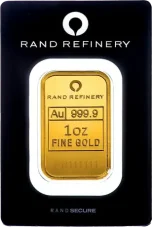
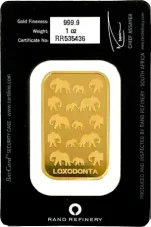
Beware of fakes: how false bullion is flooding the gold market
How Fake Bullion Is Made and Reaches Europe
Production: Fake gold bars are most often pressed from cheaper metals — usually brass or copper, and very often tungsten, because its density is almost identical to gold (so the bar “weighs correctly”). The surface is mechanically treated and colored to look like real gold, but actual gold content is usually missing.
Packaging and certificates: Fakes often come with professional-looking packaging — plastic blisters, printed cards and “certificates” with serial numbers. Visually they can look convincing enough to fool an inexperienced buyer.
Distribution: Fake bullion gets to the market through common sales channels — small e-shops, classifieds, marketplaces and middlemen who hide the origin of the goods. Online sales and anonymous offers make the problem even worse.
Seller masking: Offers often attract buyers with “special prices” or claims of “direct imports” of well-known brands (Argor-Heraeus, PAMP, Perth Mint). A suspiciously low price or pressure to buy quickly almost always means risk.
How to Spot Fake Gold Bars — A Practical Guide
A few quick checks you can do without laboratory equipment:
-
Weight and size: A genuine gold bar has exact parameters. If the weight or dimensions don’t match the manufacturer’s specifications, it’s a red flag.
-
Magnet: Gold is not magnetic. If the bar reacts to a magnet, it’s fake.
-
Surface and stamping: Fakes often reveal themselves with less sharp stamping, uneven edges or a weak relief.
-
Packaging and certificate: Genuine bars come in solid, professional blisters. If the plastic feels cheap, colors are faded or the print looks amateurish, be cautious.
-
Price and seller: A suspiciously low price is almost always fraud. Buy only from sellers with a stable background, a verifiable company or a physical store.
Why We Choose METALOR – and Why We Recommend It
Over the years, we’ve seen many counterfeit gold bars on the market – and almost always it was the most common brands sold by virtually everyone. That’s exactly why we decided to focus on a refinery where we can be certain of the quality and origin.
Swiss METALOR is our number one choice. As a member of the prestigious LBMA Good Delivery association, it meets the strictest global standards. Thanks to its precise manufacturing, full traceability, and international reputation, the risk of counterfeiting is significantly lower compared to other brands.
In addition, METALOR products offer the highest level of authenticity protection through the METALOR CHECK – BullionProtect® system. Each bar is engraved with a protective QR code, allowing easy verification of its authenticity and origin. The Metalor Check app (available for free on iOS and Android) enables owners of gold bars from 20 g up to 1 kg to verify their bars and access detailed specifications – including production location, purity, and gold origin.
The BullionProtect® technology, developed in collaboration with the Swiss company SICPA, uses a special high-security ink applied directly to the surface of the bar. This feature is based on proven anti-counterfeiting technologies that have been successfully used in high-security applications such as passports for more than a decade.
And what matters most to us – METALOR has built a long-standing reputation as a brand we can truly trust. In all our years of experience, we have never encountered an issue with authenticity, which is why we proudly offer METALOR as our primary and most trusted choice for our customers.
Practical Checklist Before Buying
-
Buy only from verified sellers – there should be a stable background, a traceable company or a physical store behind them.
-
Check the refinery – stick to LBMA Good Delivery brands such as METALOR.
-
Verify the basics – weight, dimensions, packaging and certificate should all match.
-
Beware of “special offers” – gold has a global price, and no one sells it far below market value.
Short video:
Recommended products10
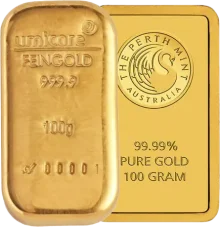
100g Investment gold bar | LBMA
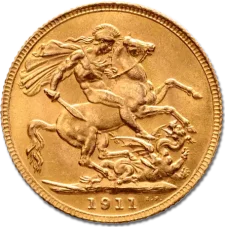
Gold Investment Coin | Britannia | Sovereign - mixed years
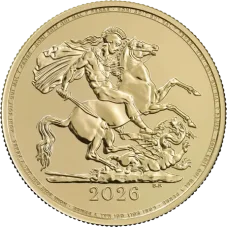
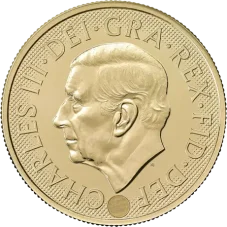
Double Investment Gold Coin | Britannia | Sovereign Charles III - 2026
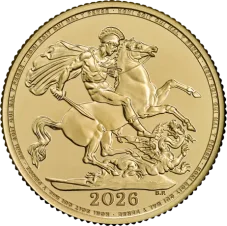
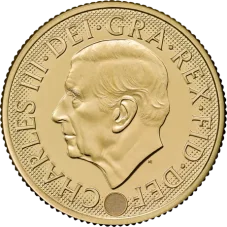
Gold Investment Coin | Britannia | Sovereign Charles III - 2026
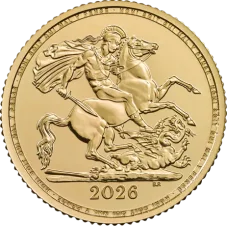
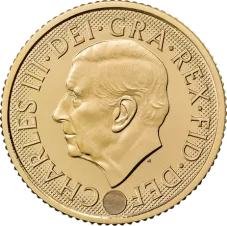
1/2 Gold Investment Coin | Britannia | Sovereign Charles III - 2026
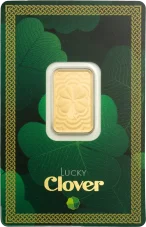
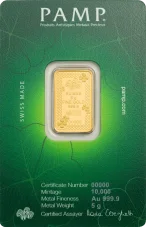
5g investment gold bar | PAMP - four-leaf clover
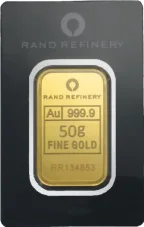
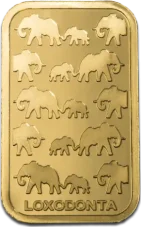
50g investment gold bar | Rand
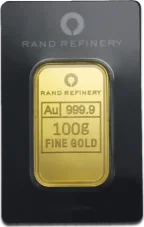
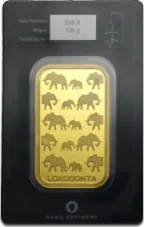
100g investemnt gold bar| Rand
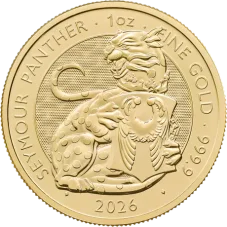
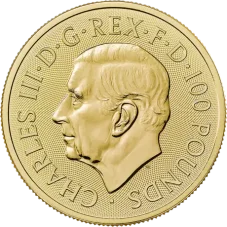
1 Oz Gold Investment Coin | Britannia - Panther - 2026